Animal Background Scene Clip Art: Instant Depth for Your Designs
Finding the right background for a design project is often the most time-consuming step. You need something that sets the mood without overpowering the foreground, is high-resolution enough for print, and comes in a format that’s easy to use. This is where a well-curated set of Animal Background Scene Clip Art becomes an indispensable asset. It’s not just a collection of random images; it’s a toolkit for building entire visual worlds with a single click.
What This Clip Art Set Actually Is
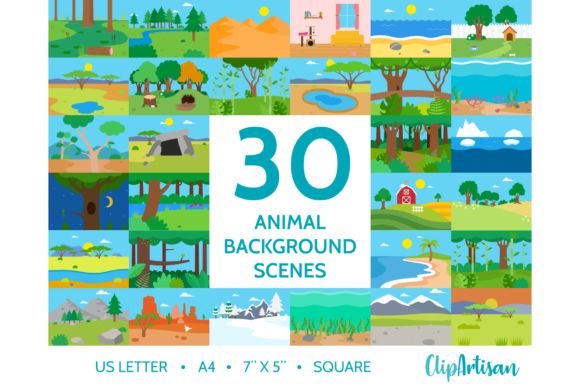
At its core, this is a curated library of 30 distinct animal-themed environments. Think of it as pre-designed mood boards you can drop into your project. Each scene pairs an animal with its natural habitat—from the sun-baked desert for a camel to the dense tropical rainforest for a tiger. The visual style leans toward realistic illustration, offering rich detail and texture that feels authentic rather than cartoonish. The personality of the set is versatile; it can feel educational, adventurous, cozy, or wild, depending on which scene you select.
You’re not just getting a single file per animal. The package delivers a PNG file for each scene, ensuring a transparent background is not needed—the habitat is the background. Crucially, each image is provided at 300 ppi (pixels per inch), which is the standard for high-quality print work. The files are sized at 12 inches at the longest point, making them immediately usable for large prints and easily scalable for smaller digital applications without significant quality loss.
Practical Applications: Where These Scenes Shine
The real value of this asset lies in its direct application across countless projects. For graphic designers and marketers, these backgrounds are perfect for creating engaging social media graphics, blog post headers, or email newsletter banners that instantly communicate a theme. A blogger writing about wildlife conservation could use the elephant or rhino backgrounds to visually reinforce their message without a photoshoot.
In editorial design and publishing, these scenes provide a quick way to design chapter openers, section dividers, or cover concepts for children’s books, educational materials, or nature magazines. Small business owners in pet care, eco-tourism, or outdoor apparel can use them to create cohesive brand assets—think website hero images, product packaging mockups, or flyer backgrounds—that build a recognizable brand identity centered on a specific environment.
For crafters and hobbyists, the included variety of sizes is a major benefit. The scrapbook size (12" x 12") is ideal for digital scrapbooking layouts. The US Letter and A4 sizes make it simple to create printable wall art, greeting cards, or party invitations. The 7" x 5" size is perfect for photo inserts or smaller project elements. The versatility here is key; you’re investing in a single asset that can fuel dozens of personal and commercial projects.
Strategic Design Considerations
Using a background clip art effectively requires more than just a drag-and-drop. It’s about creating visual hierarchy and ensuring readability. Since these scenes are detailed, the foreground elements—text, logos, or product photos—need to stand out clearly. A practical technique is to use a semi-transparent color overlay (a light cream or dark gray) on the background image to mute its intensity slightly, allowing white or dark text to pop.
When selecting a scene, consider the personality you want to convey. The wolf in the Arctic tundra communicates resilience and stark beauty, perfect for an outdoor brand. The cat in a home setting feels cozy and relatable, ideal for a pet shop or a lifestyle blog. This is where your brand strategy comes in—choose backgrounds that align with your core message.
Pairing these backgrounds with the right typography is also crucial. A bold, clean sans serif font often works best for headlines over detailed natural scenes, as it maintains clarity. Avoid overly decorative script fonts or thin serif fonts for main text, as they can get lost. Think of the background as setting the stage; your type needs to be the lead actor that’s easy to see and hear.
Choosing and Using Your Assets Wisely
Before you start, review all 30 scenes. Create a quick mood board for your project and select 2-3 backgrounds that fit the tone. Test them with your actual content—place a sample logo or headline over the image on your screen. Does it feel balanced? Is the text legible at a glance?
Remember, these are design assets, not finished designs. Their power is in their flexibility. You might use the African savanna background for a full-page spread in a brochure, or you might crop just a corner of the coral reef for a subtle, textured sidebar. Because they are high-resolution PNGs, you have the freedom to zoom, crop, and manipulate them within your design software.
For commercial projects, ensure you understand the licensing. This set is marketed for commercial use, which is a significant advantage for entrepreneurs and businesses. It means you can legally use these backgrounds in products you sell, in client work, and in marketing materials, giving you a professional resource without the legal headaches of sourcing stock photos.
Ultimately, this collection is about saving time and elevating quality. Instead of spending hours searching for a single perfect stock image or trying to photograph a scene you can’t access, you have a library of ready-to-use, print-quality environments. It’s a practical solution that addresses a very real need in the creative workflow, helping you produce polished, cohesive work more efficiently. Whether you’re designing a brand identity, creating educational materials, or crafting a personal scrapbook, these scenes provide a solid foundation to build upon.