Exploring the Visual Charm of Polygonal Geometric Linear Animal Fox
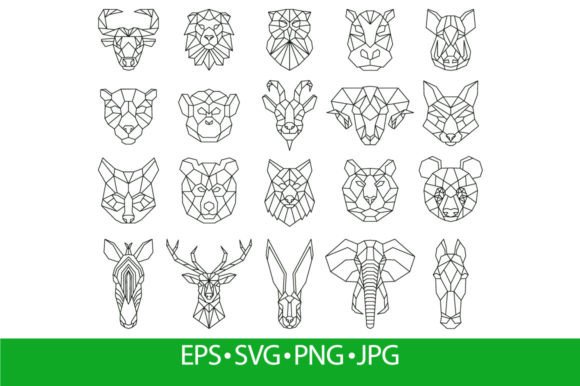
The digital art world has embraced a fascinating intersection of nature and mathematics, giving rise to a distinct aesthetic: the low-poly portrait. When we talk about a Polygonal Geometric Linear Animal Fox, we are describing a specific style of vector illustration that deconstructs a living subject into a series of flat, geometric planes. This isn't just a picture of a fox; it is an architectural interpretation of one. The appeal lies in its simplicity and precision. By reducing the complex curves of an animal's fur and features into sharp angles and triangles, the designer creates a modern, stylized icon that feels both technical and artistic. It captures the essence of the animal—the alertness of the fox, the majesty of the deer—through shape rather than intricate detail.
The Mechanics of Low-Poly Aesthetics
To understand the value of a Polygonal Geometric Linear Animal Fox, it helps to look at how these images are constructed. The technique involves creating a mesh of triangles that map the contours of the face. Color gradients are applied across these planes to suggest depth, shadow, and light, effectively "sculpting" the face digitally. Unlike a high-resolution photograph, which captures every pore and whisker, the low-poly approach forces the viewer's eye to fill in the gaps. This style works exceptionally well in modern graphic design because it is inherently clean and uncluttered. It strips away the noise of reality, leaving behind a symbol that is easy to recognize and incredibly versatile for various design assets.
The "linear" aspect of this style adds another layer of sophistication. While some low-poly art focuses solely on filled shapes, a linear treatment emphasizes the wireframe structure. This creates a delicate, etched look that can feel more technical or blueprint-like. For a brand identity that wants to project precision, innovation, or a connection to nature through a modern lens, this linear geometric approach is a powerful tool.
Practical Applications for Designers and Creators
For designers, entrepreneurs, and content creators, the utility of these illustrations extends far beyond mere decoration. A Polygonal Geometric Linear Animal Fox or similar portraits (such as the deer, bear, or owl mentioned in the set) can serve as the cornerstone of a visual identity. Here is how these assets can be utilized effectively:
- Logo Design and Branding: Animal totems are classic in branding. A geometric fox suggests cleverness, adaptability, and modernity. Because the vector files (EPS, SVG) are scalable, the logo can be used on a business card or a billboard without losing quality. The clean lines ensure the mark remains legible even at small sizes.
- Editorial and Publishing: Magazines, blogs, and book covers often need striking imagery that doesn't distract from the text. These portraits offer a sophisticated visual break. They work particularly well for articles on topics like technology, sustainability, wildlife conservation, or modern lifestyle.
- Packaging Design: For products that want to convey an artisanal yet modern vibe—think craft breweries, organic skincare, or boutique clothing—the geometric animal portraits add a distinct shelf presence. The origami-like quality suggests care and craftsmanship.
- Digital and Social Media: In the fast-scrolling environment of social media, high-contrast, unique visuals stop the thumb. Using a Polygonal Geometric Linear Animal Fox as a profile picture, header image, or post background creates immediate visual interest and sets a professional tone.
Selecting and Integrating Geometric Assets
When incorporating these assets into a project, the goal is balance. Because the Polygonal Geometric Linear Animal Fox is visually complex due to its many facets, it pairs best with simpler elements. If you are using the fox as a central image, consider pairing it with a clean sans-serif font for your typography. A sans-serif typeface will complement the modern, geometric nature of the illustration without competing for attention. Conversely, if the illustration is used as a subtle background texture or watermark, you might pair it with a serif font to create an interesting contrast between traditional elegance and modern structure.
Color coordination is also critical. These vector files often come with editable colors, allowing you to tailor the palette to your specific brand identity. If your brand uses cool blues and greys, you can easily adjust the geometric shapes to match. However, the natural earth tones often found in these original illustrations (oranges, browns, greens) are popular because they bridge the gap between the digital medium and the organic subject matter.
File Formats and Technical Considerations
When sourcing these design assets, pay attention to the file formats provided. A robust set typically includes:
- EPS and SVG: These are vector formats. They are essential for logo design and print work because they can be scaled infinitely. They are also ideal for web designers who want to manipulate the code or ensure crisp rendering on high-resolution (Retina) screens.
- PNG: This format is best for digital use where a transparent background is needed, such as overlaying the fox onto a photograph or a colored background in a website builder.
- JPEG: Useful for quick placement in documents, presentations, or mockups where file size is a concern and transparency isn't needed.
The Strategic Value of the Animal Portrait
Why do these specific animals—foxes, deer, bears, owls—resonate so deeply in modern typography and illustration? It comes down to symbolism. The fox represents wit; the owl represents wisdom; the bear represents strength. By utilizing a Polygonal Geometric Linear Animal Fox, a brand can subtly borrow these traits. It is a form of visual storytelling that works on a subconscious level.
For marketers and entrepreneurs, this is a shortcut to emotional connection. Instead of using generic stock photography, which can feel impersonal, a geometric illustration feels intentional and bespoke. It suggests that the brand values creativity and attention to detail. Whether you are designing a t-shirt, a poster for a tech conference, or a header for a nature blog, the geometric animal portrait is a versatile asset that bridges the gap between the natural world and the digital age. It transforms a simple image into a piece of modern typography