Spooky Yet Adorable: Watercolor Halloween Skeleton Animal Designs
When you think of Halloween, you probably imagine cobwebs, eerie lighting, and genuinely scary monsters. But there is a massive market for the "cute-spooky" aesthetic—designs that celebrate the holiday without giving your customers nightmares. This is exactly where the Watercolor Halloween Skeleton Animal collection shines. It bridges the gap between the macabre and the whimsical, offering a hand-painted style that feels organic, artistic, and surprisingly versatile for seasonal branding.
The "Cute-Spooky" Aesthetic: What Makes This Style Work?
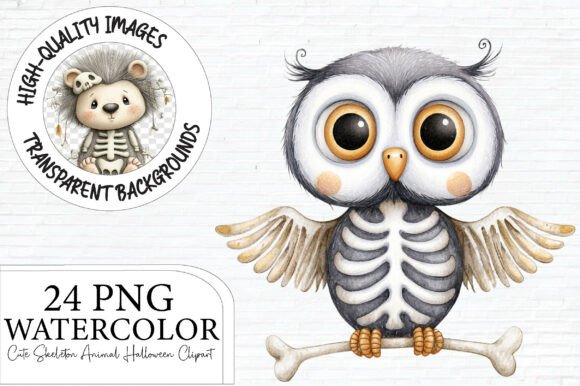
The core appeal of these assets lies in their texture. In a digital world saturated with flat vectors and plastic-looking graphics, watercolor effects provide immediate depth and personality. The Watercolor Halloween Skeleton Animal designs mimic the way pigment interacts with paper—soft edges, color bleeds, and brushstroke textures. This gives the skeletons a sense of movement and life (ironically) that standard vector art often lacks.
Visually, these aren't your gritty, realistic anatomy charts. They are stylized. The proportions are often exaggerated, perhaps with larger heads or expressive eyes, which keeps the tone friendly. This style is incredibly effective for projects targeting families, pet lovers, or the growing demographic of adults who love Halloween but prefer a "cozy" vibe over a "horror" vibe. Whether it’s a T-Rex ribcage or a feline skull, the artwork retains a sense of whimsy that makes it approachable for a wide audience.
Strategic Applications for Creators and Entrepreneurs
If you are running a Print-on-Demand (POD) business or a small craft enterprise, the utility of a premium clipart pack cannot be overstated. Because you receive 24 high-resolution PNG files with transparent backgrounds, your workflow becomes significantly faster. You aren't spending hours clipping paths or trying to remove white halos; you can drag and drop these assets directly into your design software.
Here is how different professionals can leverage these assets:
- Apparel Designers: These graphics are perfect for sublimation printing. The watercolor texture translates beautifully onto fabric, avoiding the "sticker" look that solid digital prints sometimes have. They work exceptionally well on hoodies, tote bags, and baby onesies for "Baby's First Halloween."
- Greeting Card Publishers: Use these as hero images for invitations or party supplies. The transparent backgrounds allow you to layer them over textured paper backgrounds or vintage book pages for a mixed-media look.
- Digital Marketers & Bloggers: Create eye-catching social media graphics for October. The unique visual style stops the scroll better than generic stock photography. Use them as accents in email headers or as featured images for blog posts about pet safety or costume ideas.
- Packaging Design: If you sell baked goods, coffee, or candy, these skeletons can add a playful "limited edition" flair to your packaging without rebranding your entire identity.
Design Principles: Integrating Clipart into Brand Identity
Using clipart effectively requires more than just placement; it requires context. To maintain brand consistency and professionalism, consider how the watercolor style interacts with your typography.
Font Pairing is Key: Since the Watercolor Halloween Skeleton Animal graphics are organic and hand-drawn, they pair best with typography that complements that texture. A clean sans serif font provides a modern contrast that lets the art pop, while a script font or handwritten font can amplify the artisanal feel. Avoid overly rigid, technical fonts like Futura or Courier, which can clash with the fluid nature of watercolor.
Color Harmony: Watercolors are inherently translucent, meaning the background color influences the final look of the foreground image. When designing, ensure your background colors don't muddy the artwork. High contrast is usually best—a dark navy or charcoal background makes the lighter watercolor pigments stand out vividly, aiding readability and visual hierarchy.
Visual Hierarchy: Treat these skeletons as focal points. In editorial design or web design, you want the viewer's eye to go to the image first, then to the headline, and finally to the body copy. If you clutter the layout with too many competing elements, the charm of the skeleton gets lost. Let the artwork breathe.
Practical Tips for Production and Usage
Before you finalize your designs, there are a few technical realities to keep in mind to ensure the final product matches your expectations.
- Resolution and Scaling: You are working with 300 DPI files, which is the gold standard for print. However, if you scale these images up significantly for large format printing (like posters), keep an eye on pixelation. Conversely, if you scale them down for stickers, ensure the fine details of the "bones" don't get muddy.
- Material Testing: Watercolor art relies on texture. On smooth, glossy surfaces (like ceramic mugs), the image will look crisp. On textured surfaces (like canvas or cotton tees), the texture of the fabric will compete with the texture of the brushstrokes. Always order a sample print to see how the ink absorbs into your specific substrate.
- Color Variance: This is a crucial reality of modern typography and print design. The Color Disclaimer is not just legal text; it is a design reality. Monitors emit light (RGB), while printers use ink (CMYK). Neon greens or vibrant purples often look duller in print. Adjust your saturation levels in your editing software before sending files to the printer.
Respecting the Asset: Licensing and Usage
Finally, a note on business ethics and asset management. When you purchase design assets like the Watercolor Halloween Skeleton Animal pack, you are buying a license to use them, but the intellectual property usually remains with the creator.
Adhering to the No Sharing Policy is about more than just following rules; it is about supporting the ecosystem that creates these tools. When files are shared in "dump" groups, it devalues the work of artists and makes it harder for them to produce high-quality assets in the future. To keep your business sustainable and your reputation clean, keep your source files organized and private. Treat these assets as you would any other piece of premium software or professional equipment.
By combining the whimsical charm of watercolor skeletons with smart design strategy and proper technical execution, you can create Halloween products that are memorable, marketable, and genuinely delightful. Whether you are designing a spooky t-shirt or a festive social media campaign, these assets provide the perfect foundation for creative success.